Overall Green Score: B Lollapalooza gets high marks for a location that practically demands fans use public transit, accomodates bikes, and makes use of an existing public park. The festival also scores well for giving generously to the Parkways Foundation. On the "needs improvement" front, there's no meaningful effort to engage fans in the sustainability initiatives, the waste management plan, while well-developed, needs a Rothbury-like overhaul to get to zero waste, there's no dedicated green coordinator or consultant, and the "Green Street" area is little more than a token gesture. This is a festival that needs to reevaluate its green goals to stay current but has serious potential to recapture a position of leadership if management can match its words with actions.
Lollapalooza's green commitment, found tucked behind a curtain in an obscure booth in the well-hidden Green Street area, reminiscent of the plans to destroy Arthur Dent's home.
Full Review:
Lollapalooza turned out to be a much more intense experience than I'd anticipated, largely because of the crowds. This year marked the festival's first sellout at Chicago's gorgeous Grant Park, with 75,000 people streaming through the gates each day. That's about the same size as the nation's other granddaddy of festivals, but on a much more compact site.
Logistically speaking, the festival operated with the precision of a Rolex. With so many years of experience, Perry Farrell and the C3 crew have had plenty of time to work out all the bugs. From the press area, head and shoulders above the press tents I've seen at other festivals, to the weather--a hot and humid but dry three day stretch sandwiched between strong thunderstorms on Friday morning and Monday--it seemed like everything was coming up Lollapalooza this weekend. The only real hangup was the waiting. When I arrived Friday about 1, I saw what is without exaggeration the longest line of people I've ever laid eyes on, a line that stretched several city blocks in both directions, with people standing 6 abreast. Once inside, lines for the chemical toilets, which remained remarkably clean throughout the weekend, often reached 30 minutes. Getting a beer could also be a challenge, especially if you didn't want a Bud Light--the line at Leiderhosen's micro-brew* beer tent was over 30 minutes.
The lines on Friday stretched for blocks.
The truly remarkable thing about all of this was that despite the human queue, there was no automotive traffic associated with the event. Walking from the bus stop, I saw plenty of Lollapalooza-bound foot traffic but otherwise anyone visiting downtown would have had no idea that there was a smaller city within the city just a couple of blocks away. That's an amazing feat. Sure, some folks (myself included) arrived by taxi, and a sizable chunk of people (again, guilty as charged) flew in, but once in Chicago almost everyone used public transit. Parking lots just blocks away from the festival were empty all weekend. It's a testament to picking the ideal location for the festival--a beatiful site in a city large enough to accomodate the extra traffic, with plentiful hotel options and a robust public transit system. Other festival organizers involved in multiday noncamping city festivals should consider this as the model for what to look for in a festival location.
Buckingham Fountain, the centerpiece of Grant Park and the geographic center of the festival.
So organizers tackled traffic by picking a near-perfect site location, but how green was the rest of the event? To answer that question, I hoped to catch with Stacy Rodrigues, the festival's de facto greening coordinator and the replacement for Shanda Sansing, who I talked to last year. Unfortunately, despite several attempts to track her down I never got a chance to meet her, presumably because she was swamped with other details including non-greening work. C3 doesn't have a full-time greening coordinator on staff despite running three large festivals a year. That's a troubling sign, and one that showed through as I looked for signs of green life around the venue.
Lollapalooza and C3 talk a good game about greening efforts. There is a decent section of the website dedicated to green efforts, Perry Farrell and one of the C3 organizers made a special point of mentioning the green efforts at the Saturday morning press conference, and Perry even gave me 8 minutes of his time to talk about green issues. In other words, there is a strong interest in making this festival sustainable at the top levels of management. That's crucial for any greening effort, but by itself interest isn't enough. Implementation is also essential, and that's where the event fell short in places.
Take waste management, for example. The festival brought on Clean Vibes this year, and every waste station had a recycling bin. Over in the festival's Green Street area (more on that later), there was a Rock and Recycle stand where patrons who brought in 5 or 10 pound bags of plastic beer cups and water bottles could trade the trash for a reusable shopping bag or a T-shirt. Rock and Recycle also had teams of people walking through the crowds with bags to collect recyclable bottles and cups directly from the fans.
A waste station shows signs of strain. Roving "Rock and Recycle" teams collect bottles and plastic cups.
All of these are great steps, but the message definitely wasn't getting through to the fans. When we left after Saturday night's Rage Against the Machine show, it was like walking across a sea of crushed plastic. The sound made by 10's of thousands of us walking on so much plastic was downright eerie, and noteworthy enough to elicit lots of comments from the strangers around me. After Rothbury, with its hundreds of compost/recycle/landfill stations manned by volunteers and an impressive marketing campaign to get patrons to use them, this was a bitter crash back to business as usual.
Post-concert trash didn't always make it to the waste stations.
Speaking of composting, the Green Lolla section of the website mentions that foodware in the food service area was all compostable, but given the long lines for food and the ease of getting food outside of the festival, I never felt the need to stop by and check it out. Still, since I didn't see any composting bins anywhere in the festival grounds, I'm not sure what good having compostable foodware would be. The website also mentioned a certain amount of local and organic food, something I should have made a point of investigating, but to be honest this wasn't a food-lover's festival--there were far fewer places to get food than I would have expected, and given the distances between stages and the crowds, my group of friends tended to a certain efficiency of motion that precluded a swing over to the food area.
The press tent was plush, but the free perks generated plenty of waste.
Even though I didn't manage to sample the festival food, I did make a visit to the small "Green Street" area tucked away into a well-hidden corner. Here, fans could offset their carbon purchases for $5, learn about Chicago's well-developed citywide greening initiatives, buy a variety of recycled art from a handful of local vendors, and visit a huge display from Whole Foods. Compared to similar areas at the other festivals I've been to, this one was among the smallest and had the least information about green initiatives. It's symbolic of the festival's approach to greening--an afterthought tacked onto the event, rather than a centerpiece.
Reggie McGuire of local Chicago retailer Futurgarb shows off a handbag made of recycled Chicago Transit maps at Green Street.
The festival's other green initiatives were all fairly standard, although not unimportant. There was biodiesel (of an unknown derivation, in an unknown percentage of biodiesel to diesel) in the generators, recycled paper throughout, and a very sizable donation to the nonprofit Parkways Foundation. There was also the pledge of $1 million from organizers to renovate the magnificent Buckingham Fountain that is the centerpiece of Grant Park and of Lollapalooza.
Overall, this is a festival that seems to have reached stasis on the green front. The organizers mean well, but greening is clearly not the top priority at an event where every one of the 8 stages is named after a corporate sponsor and even the green area needs a sponsor. The greening efforts here are more than a token gesture, but they don't really seem to be looking to improve year over year, and they definitely aren't engaging the fans. Despite the enthusiasm from management, there's a general lack of green awareness throughout.
*Despite the moniker, "micro-brew" was an optimistic euphemism. There was one true small-brewery beer, Chicago's 312, but it was sold out when I got there. The other options were paragons of local craft beer like Stella Artois and Bass. Beer snobs everywhere were suitably disgusted.
While I was busy covering every inch of the 1200 acres at Rothbury's Double JJ ranch, the Europeans were also getting things going at their own similar-sounding eco-friendly music festival, Roskilde. When I first heard about this festival over the winter, I daydreamed about jetting over to Denmark for the week to camp, listen to music, and, erm, enjoy the local baked goods. Then the dollar decided to peg itself to Mexican Peso and the price of jet fuel went through the roof, and all of a sudden Rothbury looked a lot better. But I still want to go to Roskilde next year.
Springwise, a website that tracks cool new business trends, has been covering lots of green innovations in the European festival scene: bike, wind, and dance-powered cellphone chargers; rentable/reusable tents (including beer can tents); locals-only festivals; and now Roskilde. Here's what Springwise had to say about Roskilde's green efforts:
Trash is always a problem at summer music festivals, and Denmark's Roskilde Festival has typically been no exception. After the 2007 festival, it took more than 500 people several weeks to clean up the heaps of garbage left behind—at a cost of more than one million euros, the festival's organizers say. That's why this year's festival, which took place earlier this month, promoted the slogan "Less Trash—More Music" in its effort to control the leftover garbage.
Special red garbage bags were handed out to festival-goers throughout the course of the four-day event, with rewards in the form of free beer or chocolate milk for each bag collected, along with a chance to win more beer, festival kits, tents or tickets to next year's event. Through a competition sponsored by Tuborg, collectors of the most garbage (1,048 bags!) also won backstage passes to Neil Young's performance. For recyclables, meanwhile, Roskilde provided stands to collect cans, cardboard, drink containers and more. In exchange, participants were reportedly rewarded with cash refunds of roughly EUR 0.10 per bottle, allowing the most zealous of the festival's 67,000 paying attendees to come close to recouping the cost of their tickets. About 97 percent of the cups used at Roskilde's concession stands were brought back for recycling as a result, according to PSFK. Meanwhile, more than 1,600 sleeping bags left behind were donated to the homeless.
As if the music, the sustainability and the rewards for being clean weren't enough, attendees at this year's Roskilde got a little extra free love, too. In addition to the usual wrist band, festival-goers were given a condom (donated by Hanky Panky) and a set of earplugs (sponsored by TrygFonden), too. In Roskilde’s words: “Say goodbye to herpes and tinnitus.” In our words: Follow examples like that, and say hello to a new generation of loyal customers!
There was plenty of other green stuff at Roskilde, too. The festival, which started in 1971, got its first environmental audit in 1994 and has pages dedicated not just to environmental initiatives (start here) but also to climate protection activities. Looks like one worth attending!
State Radio performing their new megahit "Recycle or Die" at Rothbury
I had a chance to talk to State Radio briefly at Rothbury about their upcoming bike-friendly show in Boston, the Story of Benjamin Darling, and their upcoming new megahit, Recycle or Die. To cap it off, I ran into Julie from Earphoria, who has been collecting fantastic acoustic sets backstage with musicians for the past couple of years. She got a few songs from State Radio at Langerado and was kind enough to lend me one to wrap up this post. Enjoy!
Jason Turgeon: Since we only have about 10 minutes, let's jump right in and talk about the bike thing. That was kind of out of left field for us in the Boston scene. You're known for being political but not necessarily known for being environmentally leaning. How did the whole bike thing happen?
Chad Urmston: I guess usually the political and the environment sort of go hand in hand. So we're always trying to figure out...we offset our tours and try to get our carbon footprint as minimal as possible. But Bikes Not Bombs was a way to...we know bands like Radiohead did an impact study, and the greatest footprint was from fans coming to the shows and all the carbon emissions from the vehicles, so one of the things to try to combat that was to think about different ways of transportation. Obviously, Bikes Not Bombs is a great organization and one that we felt we could team up with to try to swing the pendulum, especially as gas prices get higher and higher.
JT: Did you know those guys already, or did you approach them for this?
CU: We approached them for this. We didn't really know them. But there's going to be a bunch of things at that show, a bunch of different foundations, both politically aware and environmentally aware.
JT: Is this something you're going to try to repeat at different shows?
CU: We'll see how it goes. I think we'd like to...we just got off the justice tour with Tom Morello, and he did something where we did a service day, and then the next day we would do a show. So it's cool to have the message in the music and to have things at the merch table, but it's even cooler to actually do something.
JT: How was the venue to work with? Were they cool about it or were they resistant to it?
CU: They were totally cool.
JT: Is this the kind of thing you think they might do again after you leave?
CU: It depends. It's logistically sort of a nightmare. It's like, it's 11:00 or 11:30, and people are on their bikes and where are they going, and do people have their helmets, and do they have reflectors...I'm not sure, we'll see how it goes.
JT: I was [at Montreal Jazz Fest] and they just had bike storage all around the perimeters, gated off with big floodlights.
CU: I think the international community is way more bike aligned than we are, especially when we've been to Europe.
Mike "Mad Dog" Najarian: Wrigley Field in Chicago has got a nice bike storage center. They're pretty bike friendly there.
JT: When you do your tours, do you think "I don't want to play Tweeter because the only way for everybody to get there is to sit in traffic?" Do you look for venues that are closer to public transportation?
CU: Yeah, that's the idea. I don't think we have in the past because we haven't been big enough. We haven't had the luxury of being choosers, but as we move forward, we're trying to be as green as we can. We're traveling around now in a van, and we're getting a biodiesel fill up this afternoon. We feel like we're doing OK but we could always do better.
JT: How about [Rothbury]. Was the green side of this festival a draw for you or was it just another gig?
MD: Yeah, definitely.
JT: Are the other artists that you're talking to into this?
MD: Franti was doing a Think Tank today.
CU: He's signing his book, too.
JT: Are the fans OK with this? They obviously like hearing the political side. Do they respond to you guys when you do green stuff?
Chuck Fay: We'll see in Boston. See how many people ride their BMX down.
CU: We just found out that Ed Vedder is doing a solo show down the street, so he might ride with us.
JT: I'll put it in the blog. We're calling Eddie out!
MD: Ride with us, Eddie!
JT: Anything else that you want to talk about?
MD: I got my solar backpack (holds up bag). So I'm off the grid.
JT: So we'll switch to just music. Is there going to be a story of Benjamin Darling, Part 2? I want to find out what happens.
MD: Definitely.
CU: It's not so uplifting. But it's interesting. I felt like Part 1 is pretty uplifting, it's a nice story. But generations later, it gets worse.
JT: Do you have plans to write any environmentally-themed stuff?
CU: We have one song called "As With Gladness," we'll be playing it today. It sort of personifies the earth, sort of Mother Nature giving herself over to mankind, and how mankind sort of betrays her gift. The message is a little subtle.
CF: Which is cool, we don't want to get out there and be you know...trees!
MD: [singing} Recycle...or die!
CU: That sounded pretty good. Whoa, whoa! Is this recording?
CF: Send that over, JamBase!
CU: [singing] Recycle...or die!
JT: I'll put a little clip of that up there. The new hit from State Radio, Recycle or Die.
CU: The new megahit.
CF: ROD, as we like to call it.
That's it--thanks again to State Radio for taking the time to talk to me, and to Julie and the Earphoria.net crew for letting us share! Look for more great acoustic stuff from Earphoria as I do more interviews. Meanwhile, enjoy the music below, and first one to get me a picture of Eddie Vedder on his bike gets a free prize...
In my last post, I drew some parallels between Rothbury and Bonnaroo. That was fun, but let's get to the point--what did Sarah and the gang actually do to make this festival so green? Follow me on a behind the scenes tour through the festival as we dig deep and dig dirty into the nuts and bolts of setting up a temporary city in a green fashion.
Rothbury's attendance came out at somewhere around 35,000-40,000, roughly the same size as Burlington, VT, so it's not a stretch when I say that this really is a temporary city. And just like any other city, festival organizers have to deal with real city issues: waste management, providing clean drinking water and decent sanitation services, community relations with neighboring municipalities, transportation issues, and so on. At Rothbury, they also took on the decidedly city-like tasks of education and public art. We'll cover each of these issues one-by-one in this post. Ready? Let's go!
Transportation: Getting There
One of the problems of a camping festival is that it's pretty hard to find a site that's easily accessible on any kind of decent public transportation. By and large, people drive to these things, with the exception of us uber-polluters who really burn some carbon and fly there. I flew in, feeling vaguely guilty about my vastly inflated carbon footprint, but at least I was able to catch the shuttle offered by Mr. Busdriver and come in car-free.
Mr. Busdriver is a relatively new service, run by a frenetic but cheerful madman named Rick. He's going after the festival market in a big way by organizing bus transportation to and from these festivals. I got to meet him at the festival and he's an all around good guy, but he seemed frighteningly disorganized at times. I think all 7 of us on the special van he chartered to pick up the stragglers at the airport got 4 or 5 phone calls and emails from him in the days before the festival and on our arrival day itself. But he managed to keep it all together and after a 90-minute wait at the airport we got in our van. The driver he hired was good enough to stop at a local grocery store so we could buy some essentials before we got sequestered into the land of expensive festival general stores, so I was able to load up on PBR and cheap gin. In comparison to the nightmarish ride I had in to Langerado, this was pure luxury. I just hope that next time around, he's a little bit more organized.
Our ride in was fast and traffic-free, and as promised we ended up at a special back entrance close to the main gate. Things briefly fell apart there, though. By now it was 9:30, a full 4.5 hours after I'd arrived at the airport 75 miles away, and all of us were anxious to get into the festival. But for some reason, security wouldn't let us in, so we had to cool our heels in the parking lot of a nearby school while Rick frantically negotiated with the guards. Eventually, a compromise was reached, and we were allowed to walk through the gates. This meant unloading all of our bags and groceries, walking through security, and loading our gear back up into a separate van on the other side of the gates for a brief ride to car-free camping.
Once there, we were informed that we would need to be on a 7AM shuttle bus on the way out Monday morning, even though most of us had afternoon flights. Apparently, the 10AM bus had sold out, but at this point we all just wanted to get in. Car-free camping turned out to be great, a beautiful lawn just a 3-minute walk from the main gate and near the general store and merch tents, with a lightly-used (hence always clean) bank of well-lit portapotties right next to us and showers and water station a few minutes beyond.
It's worth mentioning that the organizers planted grass on hundreds of acres of camping areas and on the festival grounds themselves to make things more comfortable for us, and it's a good thing, too. Before we arrived, there were several inches of rain, but there were only a couple of muddy spots. Compared to Phish's IT and Coventry festivals and Bonnaroo 2004, all muddy disasters, this was a fantastic experience.
Of the people I talked to who drove in, not one had any complaints of significant traffic jams on the way in. That's not just a fan-pleaser, but an environmentally good thing. Having thousands of fans sit in traffic for 6 or more hours, as seems to be the case at most festivals, is a huge waste of fuel and a terrible thing for local air quality, never mind the CO2.
Speaking of CO2, the festival offered fans the chance to offset their CO2 in transit for a paltry $3 via the Bonneville Environmental Foundation, with an upgrade to a $7 package that also supported a very large solar project on the school where we cooled our heels. A nice touch was that we could buy these offsets on site if we didn't do it when we purchased tickets. Since my ticket was comped by the festival, this gave me a way to offset my own travel. Organizers reported that about 20% of the fans chose to offset, a huge number in the world of offsets, and the vast majority of those contributed to the school's solar panels.
So what went right and what went wrong with transportation? Well, the lack of traffic jams was a huge plus, although I'm not sure whether to credit this to the size of the crowd or the organizers. The push for offsets and the ease of buying them was also a good thing. Organizers went to great lengths to get people out of their cars and promote carpooling, offering incentives like the fantastic car-free camping and options like Mr. Busdriver. On the down side, the interface between Mr. Busdriver and the festival was poorly done. It's to the festival's benefit to get more people to come in by bus, so they need to better integrate ordering bus tickets into the Rothbury website, work with Rick to set up a schedule of bus service that makes sense and help him fill as many buses as possible, and most importantly make sure that nothing like our horrible welcome by security ever happens again.
The festival also needs to pick one carpooling partner and funnel all the ridesharing to that central location. Pickuppal.com is making a play to be the music-related rideshare organization of choice, but when I spoke with management there, they told me that Rothbury had declined an offer to go exclusive with them because of perceived liability issues. Pickuppal is the official rideshare partner of both Dave Matthews and John Mayer, so it would have made sense to use the service for Rothbury instead of directing us to no fewer than 10 rideshare sites, ensuring that no one site got a critical mass going.
To finish on a more positive note, the festival did a good job of partnering with Amtrak and the local ferry services, and it would be really wonderful to see them expand and better promote these in future years. With some sources predicting $7 a gallon gas by next summer, anything Rothbury can do to help customers get to the site will be sure to pay back with increased attendance.
Waste Management
Rothbury really shined when it came to taking out the trash, mostly by doing everything they could to make sure there wasn't nearly as much trash in the first place. A crew of more than 500 volunteers manned hundreds of waste stations, each with three different-colored bins for compost, recyclables, and landfill.
A volunteer hard at work manning the waste stations.
The volunteers were there to make sure that patrons knew which bins to use for things that might not normally be associated with compost. Every vendor was required to purchase compostable cups made from corn, compostable plates made from wheat, and compostable silverware made from rice. All of the beer was either draft or served in aluminum bottles (and by the way, having a couple of non-Bud options was a well-received plus). There were at least 3 or 4 sources of free water in the grounds and patrons were encouraged to bring refillable water bottles. Those of us who chose to purchase $3 bottles of water were served Earth Water, which gives 100% of profits to the UN Refugee Agency to provide clean drinking water to the developing world. And outside of food and beverage items, what is there really to dispose of inside the festival gates?
As the picture above indicates, the volunteers manning the bins looked pretty bored most of the time because organizers made sure from the get-go that everyone knew the deal. The back of the folded festival guide/map, which was itself far smaller than the books given out at other festivals and presumably printed on postconsumer recycled paper, was entirely devoted to a simple graph detailing what belonged in each bin, and once people had been gently instructed by the first volunteer what they should do, they pretty much got it.
All this attention to managing waste paid off, as Sarah gleefully announced a diversion rate of more than 80% at a press conference dedicated to the green aspects of the festival. When we visited the waste collection area the next day, this was down slightly to 73%. Sarah explained that as they moved between waste collection in the campgrounds and the festival grounds, the figure fluctuated but that they were hoping to end up with over 80% of the waste diverted. Speaking of campground waste, the festival collected all of the discarded tents, coolers, shoes, and anything else of value and donated them to local charities instead of tossing them.
While the volunteers manning the waste stations were happily underworked, the volunteers behind the scenes at the waste station couldn't make any such claims. When a small army of journalists showed up in golf carts to check out composting in action, we found about 10 very industrious volunteers laboriously sorting the contents of every bag of trash, recycling, and compost to make sure that everything ended up in the right pile. The workers seemed to be in high spirits, with Phish blaring from a boombox and once-per-shift cash prizes given to the lucky winner who found the most unusual or humorous piece of refuse. One thing that surprised me was that the compost pile didn't smell nearly as bad as I expected it would, although it certainly wouldn't have passed for perfume. Unfortunately, we were too early to see the giant grinder Sarah had commissioned to mulch the compost arrive to perform its work.
Sarah Haynes in front of the compost pile, holding a bottle of Earth water.
Even the bags that held the compost are biodegradable!
Perhaps the best part about all of this was that the festival grounds were always spotless after fans left. People really seemed to get into the spirit, and there were far fewer discarded water bottles and cups than I've come to expect at the end of most sets. I even had a volunteer walk up to me while I was chatting with one of the festival artists after a set and relieve me of a beer cup I'd been planning to compost later. The crew at Madison House told me that they needed far fewer people to clean up after each set than at other festivals--as few as 7 in one instance, compared to perhaps 150 at a similar event elsewhere. And it showed--in the picture below, you won't see anything at all, not a cup or bottle or even a bottle cap. The organizers even handed out matchbox-sized personal ashtrays, which while certainly not 100% effective might have helped a bit.
Not a speck of trash!
So what went right and what went wrong? This is an easy one--waste collection and diversion was the festival's most visible and obvious success. The only hiccup I found was that we weren't given either trash bags or recycling bags when we entered the festival, although that might have been related to the whole snafu when we entered the festival.
Water and Sanitation
One of the things that can make or break a festival is adequate drinking water and decent restroom facilities. The water stations at this year's Langerado were abysmal on the one occasion when I could actually find water, and the toilets at the 2004 Bonnaroo were among the most disgusting things I've ever witnessed in a long and depraved career, Fear Factor times 10 (the toilets at last year's Bonnaroo were much improved).
So I was very pleased to see that the water stations in the campgrounds seemed to be well laid out. They used the shipping container approach that Bonnaroo pioneered, with trough sinks and a floor to keep you out of the mud, and all the water going to a big frac tank. Showers, reportedly sometimes hot, could be had for $10 with very short lines, and there were a smattering of free water stations inside the festival gates.
The restrooms, standard plastic portolets, were in general as clean as I've seen them at any festival, although we were a bit spoiled by our underused car-free camping restrooms. Some of the restrooms even had mirrors and a shelf for your beer! I can't recall waiting more than one minute for a restroom at any point during the weekend, and by and large the restrooms were located under a light source, one of those simple but often-overlooked touches that really helps keep the filth quotient down.
All in all, the festival did a nice job with these essentials. What went right? Good water services in the campgrounds, free water refills in the festival, and clean and numerous toilets. I can't say anything went wrong, but I'd really like to see the festival break new ground in the US festival scene and push for some really nice compostingtoilets. I'd also like to see a sink of some sort outside some of the larger banks of restrooms for handwashing, or at least a tub of antibacterial gel. I'd also like to see a few more drinking water stations scattered around the festival grounds.
Feeding the Masses
What would a festival be without Spicy Pie? The food here was more of the same--$10 burritos, $5 slices, and so on, but I can't really complain. It was hot and fresh and to be honest, I really do love Spicy Pie.
Anna Whalen lovin' the pie.
But still, I was hoping for more. After all, we were promised Michigan's largest organic Farmers' Market! And while there was, it's true, a farmers' market, it was tucked off in an out of the way corner, behind the ecovillage and well off the beaten path. Some of the farmers seemed a little non-plussed by their location. After talking to Madison House staff, it seems that two factors contributed to the situation. First, they had to reconfigure the main gates after heavy rains the day before the show opened, and this left the market out of the original flow of traffic. Second, this was the first festival experience for most of the farmers, who didn't want to stay later than perhaps 11:30 PM. This meant that they had to group the farmers' booths in a place where it wouldn't look like the festival was closing up shop early--no one wants to walk by a bunch of tarped up booths during a 24-hour party.
The real disappointment was that the farmers brought stuff that might make sense at a normal farmers' market--things like loaves of fresh bread, quarts of fresh strawberries, and blocks of cheese. But they were located INSIDE the festival grounds, not in the campgrounds. What on earth is a person about to spend six or eight hours bouncing around from Thievery Corporation to Michael Franti to Primus to Dave Matthews (I know, they didn't play in that order) supposed to do with a quart of strawberries or some raw milk cheese that needs immediate refrigeration? I was begging for a really delicious sandwich made from fresh local ingredients, but all I got were instructions to buy a loaf of bread, a round of cheese, and some meat and make my own sandwich. Not exactly what I had in mind.
About the only portable food at the farmers' market.
In the general store, which I had been assured would have all of my camping needs and plenty more at prices below that of Whole Foods, I found dozens of loaves of fresh, locally made "English Muffin Bread" for $5 each, along with (glass) jars of jam from a local purveyor, also for $5. Unfortunately, the bread was all marked "best when toasted," and I'm guessing that even in RV-Land, there weren't many toasters to be found here. Otherwise, prices were a bit higher than I'd been promised--$2 for an apple or banana on the first day (later marked down to $1), $3 for a bag of ice, and so on. But they weren't too far out of line, and they also had locals in the general store serving what looked like really good coffee to appreciative caffeine-freaks.
So what went right and what went wrong? Well, we didn't starve, and they never ran out of spicy pie. But I had hoped for much better integration of the farmers' market, and slightly lower prices in the general store. Chalk it up to inexperience on the part of the farmers and first-year jitters. Hopefully, next year farmers will get the message that they should have portable food, like sandwiches, ready for our consumption and be ready to stay late or partner with other vendors who are already planning on all-night service. Another option might be to move the market out to the campgrounds and integrate it into the general store. All in all, a great idea that I hope to see again, but one that needs a bit more polish to be fully functional.
Education
One of the most important things a festival like this can do is introduce green concepts to the masses. Demystifying green issues like composting or solar power can go a long way to fostering change in the public at large. Unfortunately, most festivals have relegated their green efforts to poorly done "green villages" filled with leftover hippies and other sixties burnouts selling patchouli and handing out photocopied fliers railing against the evils of cell phones. Maybe you make a tour through the green area, sign a petition, get preached to a bit, and move on to have some fun, but that's about the extent of it.
Rothbury, on the other hand, took its educational opportunities to heart. Sure there was something of an ecovillage, with info on solar panels, a biodiesel powered school bus, and a bookstore run by the most excellent Better World Books selling books on climate change. But there was nary a hippie to be seen in the ecovillage, and hip organizations like RVL7 selling some pretty fashionable t-shirts kept people engaged. As far as ecovillages go, it wasn't bad.
But my problem with ecovillages -- even good ones like this -- is that they marginalize the green movement. If we're going to get this whole sustainability thing down, we're going to need a lot more integration into the mainstream. And that's where Rothbury really ramped things up. After all, it billed itself as a "party with a purpose." It's not like fans didn't arrive knowing they were going to be expected to think about sustainability for at least a few minutes. And Rothbury did a good job of trying to expand the boundaries of what a fun weekend could be with lots of intimate Think Tank sessions. These sessions, curated by Dr. Steven Schneider, one of the IPCC Nobel laureates, covered a really broad array of topics and all involved at least one of the musicians performing at the festival. It was somewhat incongruous to see Hunter Lovins of Natural Capitalism fame sharing a stage with Ken Jordan from the Crystal Method, but it somehow worked. All of the seats at the event I attended were full, and the audience seemed interested and was asking some good questions when I ran off to get to my next show.
Award-winning journalist Bud Ward and Ken Jordan of the Crystal Method
But that was the problem--as interesting as the Think Tank sessions looked, they were up against some top quality music, music that people had paid hundreds of dollars and travelled thousands of miles to see. Even a dedicated greenie like me could only find time to attend two of the events during the weekend, partly because the sheer size of the festival grounds made it impractical to keep bouncing back to the venue at the main gate where many of the Think Tank events were held. So as sincere as the effort was, I'm not sure how much difference it made. Still, kudos to the organizers for going with a risky idea--lectures at a music festival? -- and for getting some really top-notch names to participate.
One area that seemed more successful was in artist education. All of the Think Tank sets had at least one musician, which speaks to the level of commitment that many of these performers on the festival circuit have for the environment. And in my conversations with artists backstage, every single one of them was happy to be part of a festival that was promoting a good social cause. I could see the lightbulbs going off for some artists when I was asking them about greening their tours, while other artists seemed really relieved that a festival organizer was finally getting to their level of thinking on these issues. At the end of the day, artists will have far more sway with the general public than organizers at a festival, so it was really heartening to see such a positive response to the message from the performers.
What went right? The overall mainstreaming of the message was a definite success. Artists and fans both seemed to get into the green theme, and Think Tank sessions seemed well attended despite some ferocious competition. Again, I can't say that anything went wrong, but in future years I'd like to see the Think Tanks placed in a more central location and/or scheduled earlier than the music so that we don't have to make such tough choices. I'd also like to see the ecovillage concept, like the farmers' market it shared a space with, moved to a more visible area.
Public Art
Um, yeah.
I'll keep this one short, since I know least about it. We were told that all of the art was made of reclaimed or otherwise green materials, and my observations seemed to bear this out. But what was more refreshing was that there was a pretty significant amount of public art in the first place. Some of it, like the giant chandelier-like effects made of plastic water bottles and cans at the Sherwood Court stage, didn't quite work. But on the other hand, the piece de resistance for the entire festival was without a doubt Sherwood Forest, a truly magical place covered in lights, hammocks, a secret stage, with lots of paths to draw you in and places to get lost (but not too lost!). Sherwood Forest, more than any one performance, was the highlight of the festival for me, and I suspect for many others, too. Kudos to the artists who put it together, and I hope that you're able to do something even more exciting with the space next year!
The forest was most impressive at night, but it was also very difficult to photograph. This rather jittery YouTube clip does it a bit of justice, though. Still, you absolutely had to be there. I'm told by my Burning Man friends that this was as close to that event as anything they'd been to.
What went right? Sherwood Forest! What went wrong? Really, nothing--I can't wait to see what they dream up next year!
Community Relations
Big festivals like Rothbury and Bonnaroo have to make sincere and significant efforts to make friends in their host communities from the very beginning or risk being banished. Done right, it can be a real win-win. Done wrong, it can end up with the festival not happening at all--does anyone really think Vineland still has a chance now that the neighbors have formed an alliance dedicated to stopping it?
Rothbury took its green message to the village of Rothbury in some significant ways. The most visible was the donation of $50,000 of solar panels to a nearby school. The panels, put up by Black Rock Solar of Burning Man fame in collaboration with a Michigan-based solar installer, will be augmented by more panels funded by the voluntary $4 donations that thousands of fans chipped in. And Rothbury went to great lengths to make sure that the money that would have gone to paying the electric bill stays in the school to make life better for the students.
The festival also bent over backwards to find local sources for as much as possible, including a local biodiesel company that produced the fuel from local waste animal products, the farmers in the farmers' market, and even semi-local artists like Betty Lavette, who gave one of the most inspired performances of the weekend.
Betty Lavette belting it out.
Beyond that, the festival worked with Conscious Alliance on a food drive and organized a new world-record for the largest canned food sculpture ever, with more than 50,000 cans in the shape of one hand giving a can to another. I heard through the grapevine that the food drive was the most successful ever for the group, with more than 40 bins of food collected the first day alone. All of the food collected went to local food banks.
This is what 50,000 cans of beans look like.
Finally, as I mentioned above, the festival worked diligently to keep useful goods left behind by patrons out of the landfill, setting up a "free yardsale" for local charities to reuse the myriad of shoes, chairs, and tents left behind.
Wrap up
All-in-all, it was a fantastic weekend. The music was perfect, the vibe was uber-relaxed and friendly, and people really seemed into the idea of a socially conscious festival. Aside from a few very minor quibbles, everything went flawlessly, and all I can say is that I can't wait to go back next year!
I just got back from a great weekend relaxing with my family in Montreal and catching shows at the city's most famous event. Although the festival's almost as old as I am, this was the first time I've been and once I found my way around I was quite impressed.
As I wrote last week, the festival's green focus seems to be limited to transit and recycling/waste reduction. The labeling of the recycling bins was about the best I've seen. These bins really catch the eye, unlike the more common plank with a hole over a 55-gallon drum that I've seen at other festivals. There was no shortage of either trash bins or recycling bins, and I saw very little litter, although that probably has as much to do with the culture of the city and the demographic that attends a free jazz fest as the number of trash bins. Let's just say that while there was Heineken (and nothing but Heineken) everywhere, this wasn't a hard-partying crowd.
While I was in the gift shop waiting out one of several thunderstorms that plagued the weekend, I spotted some interesting but expensive vinyl messenger bags and vinyl-backed notebooks. It took me a while to figure it out, but these items are made from old vinyl banners. I'm not sure if the banners were actually used in previous Jazz Fests or not, but it's one way to mitigate the nastiness of vinyl. Oddly, there was no real info about the products touting green features or telling the story of their reuse. I also spotted some interesting handbags made from old 45s and LPs, another creative reuse of vinyl.
The festival grounds are amazingly well served by public transit, which almost everyone uses. I don't know if it was a conscious choice by the organizers to locate the festival here 29 years ago, but if so, they were very forward thinking. As gas prices continue to rise, hopefully we'll see festivals and concerts relocating to areas that are better served by mass transit.
Montreal is also a very bike-friendly city, and festival organizers provided the most bike-friendly accommodations that I've seen anywhere, with large, well-lit fenced-in bike storage areas set up around the perimeter of the festival zone. It would be absolutely fantastic to see this kind of attention paid to bikers at other city festivals and concerts (see my post about a bike friendly State Radio event here.). Lollapalooza, Bumbershoot, and Austin City Limits, I'm talking to you!
Other than the waste-reduction (not elimination) efforts, offsets provided by sponsor Rio Tinto Alcan, and the tranportation goodness, though, there was none of the other green stuff festival fans have rapidly come to expect. No composting, no rideshare board, no green pavilion or notably green parterships, no biodegradable cups and plates, no free water or promotion of reusable water bottles, and perhaps most shockingly for an area surrounded by farms, no local or organic food.
But while we're speaking about food, it's important to note that Montreal takes its French heritage seriously and the festival food was something of a marvel for those of us who are used to fried dough and six dollar hot dogs. So I'm going to take this opportunity to plead--no, I'm going to get down on my knees and beg--that U.S. festival organizers take a trip to Montreal next year to examine the food. Crepes, fresh fruit, decent sandwiches, $4 hamburgers that taste like real burgers...It's going to be hard to go back to burned chicken kebobs and $5 pizza slices at future festivals.
The long and short of it is that this is a festival that is somewhat green without even trying, which is great. But with a little more effort, organizers could do something really special. It would be great to see them come out swinging for the green fences when they celebrate their 30th anniversary next year. One final note of kudos--for whatever reason, these were among the cleanest festival toilets I've ever seen. Nicely done, Montreal!
As for the music, it was decent, but the free sets didn't feature the stunning performances I've come to expect from musical showcases like Bonnaroo and Langerado. Of course, with the exception of the $50 I dropped on a Hank Jones/Brad Mehldau show, it was entirely free, so I won't complain. I saw perfectly adequate sets by a handful of acts and was pleasantly surprised to see two great soul acts. On Friday, we were able to get within spitting distance of Martha High and the Shaolin Temple Defenders and on Saturday night after Jones/Mehldau, we caught most of the Charlie Walker and the Dynamites set. Walker is one of my favorites and I'm glad I caught him in Montreal since it looks like I'll miss him at Rothbury later this week. If you're going to Rothbury, don't make the same mistake! Sadly, the rest of the audience seemed unmoved by the soul awesomeness coming from the stage, something I thought would be impossible. These acts really need a more intimate venue to really shine, I guess. But the "never-heard-of-'em" highlight of the weekend definitely goes to the French (from France) Kaly Live Dub, who make fantastic electronica sounding dub with real instruments. We walked right up to the front row as they were announcing the band and were treated to a great set. Unfortunately for you, it looks like they're headed back across the pond this week, but mark them in your myspace calendars and keep an eye out for next time.
The Jones/Mehldau set was phenomenal, made even more so by the excellence of the venue, Theatre Jean-Duceppe, a comfortable and intimate gem with absolutely stunning acoustics. From our seats at the centre of Row P, I was getting seriously annoyed by a constant humming sound that seemed to accompany Jones. During the applause, I mentioned it to my girlfriend, who clued me in to the fact that it was actually Jones himself humming along to the tunes. I could hear him clear as day, just as I could hear his foot tapping and almost make out their off-mic whispers when they were deciding which songs to play next. It was a stunning show, one we can only hope sees the light of day as a CD in the future.
I left you with video of Mehldau last time, so here's some Kaly Live Dub to take it away. Enjoy!
I'm leaving tonight for a long weekend in Montreal for Jazz Fest. Luckily for me, I have family living right in the city, so I have a place to stay and people who can show me around. Since this is a family trip, I won't do any live-blogging or interviewing at the festival, but I will have my camera and I'll be taking lots of notes for a review of all things musically green when I return.
Poking around the website, I couldn't find much info on the green-ness of the festival, but thanks to Google I found out a bit more. It looks like the festival, now in its 29th year, has been recycling for 21 of those years. This year's event should have over 150 recycling bins, and they claim that they average about 20 metric tonnes per year of diverted waste. What they don't say is what that is as a percent of the total waste generated. About the only other thing I could find was this PDF press release from the 2007 event providing more detail about the waste reduction part of their greening campaign.
On the transportation side, the festival's location downtown near several major transit options with extremely tight parking virtually forces everyone to use public transit, at least for the last few miles. That's a very good thing. The festival's sponsor, Rio Tinto Alcan, in what some will undoubtedly argue is a bit of greenwashing, is offsetting all of the festival's emissions through 2010.
Other than the recylcing and offsetting, it doesn't look like the greenest of events. I couldn't easily find any info about composting, the extent of the offsets, local or organic food from the region's many farms, green hotels in Montreal, free public water, reusable or compostable food ware, or any of the other items that are quickly becoming de rigeur for a green festival. On the other hand, the location alone gives it green credibility, and it looks like they have a pretty good handle on their recycling program, so that puts it head and shoulders above many other festivals, especially city-run festivals, that I can think of.
But enough green talk--I'm mostly excited about the lineup. I'm going to miss McCoy Tyner and Dave Brubeck, sadly, but if I'm lucky I'll catch one of three Brad Mehldau performances, one of two Charlie Walker sets, and any number of lesser-known bands. And the best part is, almost all of them are free!
So my inbox is getting cluttered again with more stories of music (mostly music festivals) going green. Here's the Reader's Digest version for you, loyal treehuggers!
Leading off, the incomparable Sarah van Schagen gets on base with an interview with popster Jason Mraz. Summary: he got the green religion about the same time he got the surfing religion, and now he runs a bus on B20, reuses water bottles, and donates money to the Surfrider foundation. To all you naysayers out there: lighten up! He's not Jack Johnson, he just sounds like him, and he surfs, and he's, you know, all green and stuff...wait a minute! Will he soon have solar panels on his avocado farm?
In the two-hole: the Santa Barbara Independent walks one over with this longish article about the greening of last week's Lightning in a Bottle festival, which we've mentioned in the past. Funny thing is, for all the words, the article spends almost no time actually describing the actual steps the festival has taken to be green, other than some workshops and waste-reduction stuff. In my brief write up of the fest, I noted that they had an excellent sustainability report, though--looking forward to seeing what comes out of this year's greening campaign.
Batting third: Rothbury scores a single with this decent writeup in a local Michigan paper. There's nothing groundbreaking here, but if you missed my post on Rothbury, this is a good recap of the greening efforts. I'll be going to Rothbury this year (whee!) to cover all the green action.
And finally, our cleanup hitter is Gerard Murphy, subject of this piece in the Burlington (ON) Post. It seems that Mr. Murphy, a 59-year old lawyer, has a little hobby: he puts in 20 hour days sorting out 2200 bags of trash into recylables and compostables from Burlington's Sound of Music festival. It's official: I've been out-greened. Grand Slam for Gerard Murphy!
Sick of in-depth coverage of the issues? Longing for short, easily digestible news bites--like tater tots, but more digital? I've got your fix, right here!
Grist is reporting that Ecorazzi is reporting that Al Gore and Kevin Wall are going to have Live Earth 2 on October 5, timed to influence a little last-minute enviropoliticking by our presidential nominees. Apparently, Al may not be running but he still wants to be on TV every fourth October. Given that this election season's crop of politicians haven't even glanced at the environment (again), this can only help. Bonus -- concerts on college campuses!
Next up, our old pal Sarah von Schagencompletely scooped us on the Coachella eco-train, perhaps because only 300 VIPS out of the 65,000 attending got to ride it. Actually, the LA Times did the scooping, but my Google alerts failed me, so now I bring it to you thirdhand. This is a fantastic idea, one that I hope will catch on to other festivals nearish to train tracks, only on a more meaningful scale.
Sarah also namedropsRothbury and the Lighting in a Bottle festival. I'll be covering Rothbury in full before, during, and after the event. Lightning in a Bottle is one I hadn't covered before, but their post-event coverage (PDF) is the best I've seen from any festival.
Camping festivals are great, but it turns out that many of the attendees are non-campers who buy the cheapest possible tent and ditch it at the end of the show. This seems to be a bigger problem at the big English camping fests than the US venues I've attended, but it's definitely an issue here, too. Enter MyHab, an outfit that will rent you a hard-sided camping pod that comes set up and is made out of recycled material. All you do is show up, unroll your sleeping bag, and relax. I'm tempted to quit my job and start a US MyHab franchise. Via Springwise.
Random business journal In-Forum Business is reporting that "FACE Inc., producers of WE Fest and the 10,000 Lakes music festivals, has been awarded a $75,000 grant from the Minnesota Pollution Control Agency to increase recycling at the events held at the Soo Pass Ranch near Detroit Lakes....The funds will be used to develop WE B Green, a recycling program to reduce the amount of landfill waste generated by business operations, vendors and campers at both festivals. " WE Fest is a country fest--nice to see that traditionally red voters can go green, too! On the other hand, 10KLF might be the only nationally-known festival I've seen that doesn't have a single word on its website about greening. I guess they're not into bandwagons.
Bonnaroo's forum has a greening section with occasional activity. A post today alerted me to this solid interview with Anna Borofsky of festival-trash heavyweight Clean Vibes. If you've been to a large festival in the past few years, you've probably seen the Clean Vibes crew doing their thing--they do great work and are one of the oldest festival greening crews around.
The Dawson (Georgia) Times reports that this year's subtly-named Eco-Music Festival will be, er, green. I'm not sure how green holding an event in an animal refuge inaccessible by public transit is, but it appears that their heart, at least, is in the right place. Plus, it's mostly local Atlanta acts, and the whole 96-band, 3-day event is only $30! If you're in that neck of the woods and don't have other plans for Memorial Day weekend, check it out and let us know if it lived up to both the Eco and Music parts of the name. And even if you're not going, make sure you click here with your speakers on to hear an awesome monster-truck style radio spot for this event. Rock-Rock-Rock in the Mountains!
Here's a little video from Quench, which had the coolest logo from the Eco-Music-Fest bands. My internets are moving like molasses today, so I haven't actually watched this thing, but the opening screen looks super promising. Enjoy!
drum roll, please.......SXSJ at the San Jose Hotel on South Congress! These dudes did it right!
A solar stage by Sustainable Waves, compostable paper plates, biodegradable utensils, rainwater collection system that water the outdoor plants, plenty of recycling bins.....be still my heart!
The only blemish on my event experience was the Toyota/Yaris sponsorship....wha?! It seemed kind of odd to have new 2008 Yaris models zooming in and out of the concert area offering concert-goers a chance to test drive the new models (which do get 29/35 mpg, but come on!). However, the Yarises mostly sat curbside waiting for potential passengers, so perhaps other concert-goers felt the same way I did.
I wish the rest of my SXSW review were as glowing. I did see recycling bins, but there were at least three times as many garbage cans. They also mostly said "Recycle Plastic bottles and aluminum cans here", so the majority of the beer bottles ended up in the trash.
On the subject of trash, like every year, plastic cups, tin foil, concert fliers, and gobs of all other sorts of trash blow down 6th Street and the surrounding area. At least for me, the high of seeing the best and brightest new bands in the world quickly subsides and I'm bummed at how much trash it seems to take to have a good time.
Along with my new-found love for Fleet Foxes, Cryptacize, Black Joe Lewis, and my deepened love for Roky Erickson, SXSW really helped me understand why people hate on renewable energy certificates and carbon offsets. As you know, I've been a proponent of both (as long as they're certified) for some time. However, when a festival claims they're taking steps towards sustainability and goes so far as to put images of wind turbines all over their conference signage---it really rings true of greenwashing (and doesn't say much for lessening a carbon footprint) when there is a ridiculous amount of trash on the streets at night and the only active participatory greening opportunities that I saw are few and far between recycling bins.
My advice to SXSW planners who are probably already working on next year's conference is to focus on the trash. Organize all the venues to use real glasses or biodegradable cups, plates, and utensils. Austin has a burgeoning community/victory garden scene, so I'm sure they could find a good home for some compost. Or challenge some students from one of the region's eight colleges and universities to come up with a better waste management system.
Since we all got robbed of one hour of blessed sleep last night (can anyone tell me why we still practice Daylight Savings?), I wanted to tell you how much better my sleep has recently become. No, I'm not going to go on and on about my Now-and-Zen alarm clock again.....
My boyfriend finally got tired of waking up with back pain every morning and decided it was time for a new mattress. Keeping in mind our eco-leanings, we settled on a brand new mattress from Keetsa, an eco-friendly mattress company. Great rest has ensued.
And piece of mind, for that matter. Keetsa is a pretty amazing product. Our entire king size mattress came compressed and rolled in a box about four feet tall and two feet wide. Once you take the compressed mattress out of the box it settles out and the material grows to regular mattress size. As you can imagine, Keetsa is able to transport many more mattresses from their manufacturing plant when they're compressed--cutting down on the environmental footprint of shipping. They think of everything!
Our new mattress has that heavenly memory foam thing going on that makes it very hard to rise when beckoned by my Now-and-Zen alarm clock---oh, right, I wasn't going to go on and on about that. Sorry.
Now comes the best part, instead of being made of gross non sustainable materials, the entire Keetsa mattress is recyclable! And then, to complete our new eco-sleep, we had Eco-Haul come and take the old mattresses away in their bio-fuel-powered truck.
While I've so far struck out in my quest to get artists from Langerado to talk to me about their green actions, I did was lucky enough to spend some time on the phone the other day with Brian Allenby of Reverb, an tour greening consultancy. Founded in 2004 by Adam Gardner of Guster and his Lauren Sullivan, Reverb is a literal marriage of their joint passions for music and the environment. Before starting Reverb, Lauren worked for environmental organizations including the Rainforest Action Network, and Adam, is, well, in Guster, so this was a pretty natural extension of their twin passions. But this is way more than a pet project for a rock star's wife--Reverb has a large client list including luminaries like Dave Matthews and is growing by leaps and bounds.
Brian met Adam and Lauren when he was working for Native Energy, an outfit I profiled in my first interview for GreenBase. Before his work with Native Energy, Brian managed Star Hill, a 500 seat club in Charlottesville, VA and did other concert promotion in the area, so this position is obviously a perfect fit for him. Brian handles day-to-day management of operations for Reverb out of the company's Portland, Maine, offices. The shop has 4-5 people in the office all year, and as many as 6-8 people on the road during the summer season.
Jason Turgeon: What other acts besides Guster are you working with?
Brian Allenby: We're working with artists like John Mayer, the Fray, the Dave Matthew band, and this year, Jose Gonzalez, and Serj Tankian, the lead singer from System of a Down. We're working with a group called Sixth Man. They put out a lot of the rock cruises that go out. They do Rock Boat and Simple Man, which is a Lynard Skynard cruise. They actually book a ship back-to-back, so they end up with six weeks of cruises. The two we worked on were the Mayercraft Carrier, which is John Mayer's cruise, and Ships and Dip 3, which is Bare Naked Ladies and Guster.
JT: I hadn't realized there was such a demand for rock cruises.
BA: Yeah, they're pretty big. The boats we were on hold between 2500 and 2700 people. Cruise ships are tough. Inherently, they're not very environmentally friendly. So we did the carbon offset program, because there's no way to do biodiesel or anything like that. Last year, we were able to offset over 3000 tons of CO2 on the BNL cruise, which is the equivalent of taking over 500 cars off the road for a year. We also worked with the cruise line to do things like corn plastic straws, recycled toilet paper in the cabins, we had stony field organic yoghurt, and green mountain organic fair trade coffee.
JT: Has the cruise line been receptive?
BA: They've been very receptive. They're in a place where they can't continue to go on this way. There aren't going to be wonderful, beautiful places for them to visit if they don't help take care of it. They have an environmental officer on board each cruise and they take this seriously.
JT: So what does someone who works for you on one of the tours do in their day to day that makes the tour greener?
BA: We kind of call them our eco swat team. They're basically integrated right into the artist's crew. One of the first things they do when an artist rolls into the venue is coordinate biodiesel fuelings. They'll actually have a tanker truck come out to the venue and fuel all of the buses and trucks . It actually makes it easier for the band, because they don't have to stop through a truck stop later on when they're driving that night. They'll head on over to the catering area. A lot of the larger artists will actually have a caterer traveling with them. [A caterer we often use] already use[s] a lot of the biodegradable and compostable products like corn starch cups and potato starch bowls, that sort of thing.
JT: When you're using these products, do you actually sort them out so they don't end up back in the landfill?
BA: We try to as much as possible. A lot of venues are starting to compost, which is great. The Tweeter Center near you in Boston was one of the first. They compost everything. We walk outside the catering area and can just throw everything right in the compost. But one of the best things to do is not to use disposable products at all. That's really one thing we try to encourage. The best thing is to use china and silverware, but where we do have to use disposable stuff, we try to compost as much as possible.
[getting back to the job description] So then they'll put out the recycling bins, backstage, at the catering area, in the production offices. Then they'll work with either the promoter or a local recycling company to either drop off the recycling at the end of the show or have them come pick it up. Then during the day, it's setting up the eco-village, which is the fan interaction area. There are a number of tents we send out on the road. We'll have local and national environmental groups come out to promote, do fan carbon offsets. We try to make it as fun for people as we can, we'll have artists sign a guitar and do raffles, that sort of thing.
One of the other responsibiliites is training volunteers. On a larger tour we'll have 8-15 volunteers come out to a show, so we have to educate the volunteers.
JT: It sounds like these venues are pretty big places, like Tweeter. Do you do smaller clubs?
BA: We do some, like Jose Gonzalez this summer will be playing a lot of smaller venues. In those cases, it's hard for us to set up as much stuff just because there's not as much space, so we can't do an eco-village. We'll try to integrate our presence with their existing merchandise tables. But even though it's scaled back a bit, we're still there working on the same stuff.
JT: Do you find that venues are receptive?
BA: They're all very receptive. You'll find that venues, as we hit them two, three, four times over the course of a summer, they've started doing some of these things themselves. Live Nation's bulk paper purchases, their office paper, it's all 100% post-consumer recycled now. As they see how easy it is, they start making it part of their day-to-day operations, making it business as usual. We really haven't found anybody who is resistant to it at all.
JT: Do you find anyone that is so good that your work is done for you?
BA: We haven't found any places where there is no work to be done, but it's certainly become a lot easier. With the composting, we'll still have to provide the biodegradable products, but now there will at least be a compost bin for us to put them in. Everybody's taking steps. There's always a lot of work to do, and every time we clear one of those hurdles, we look forward and say, well what's the next thing? One thing we're really focusing on this summer is how do we encouraging carpooling and ride-sharing to a lot of these shows. Most of the shows are 20 to 30 miles outside of the population center, and there's very rarely any public transportation to these events. People don't want to have to drive 45 minutes home. It's a pain. Maybe there's an average of 2 people in a car, but that's still 10,000 cars. So we're really trying to figure out a way where we can work with the artist, with the venues, with some of the ride sharing groups. Looking at the environmental footprint of a show, probably 80% of the CO2 that's released is from fan transportation. You're looking at 10,000 cars traveling 60 miles roundtrip, that's 600,000 miles of driving. For one show.
JT: So are the fans receptive to this? Are they driving the bands to this? Or are the bands saying to the fans, "we want to be greener and so should you?"
BA: I think it's a combination of both. There are some artists who really, altruistically, feel that this is what they want to do. It's important to them, so they make that commitment to the environment, working with groups like us. It certainly doesn't hurt when there is a warm response from the fans. I think that most of the bands we work with, there is an artist, someone in the band, who goes to their management and says "we've got to do something about how we're touring." We are seeing great reactions from the fans. Just one artist on stage saying, "we're trying to take some steps to reduce our footprint on tour, go check out the eco-village," will drive huge traffic through the tents. We try to tie it in and incentivize the fans to do it as well, whether it's signed merch or some sort of thing like that to help further that connection between the artist and the fan. In the environmental action, everybody needs to be doing this together.
JT: Do you worry that people will feel like they're being preached to?
BA: We make a real effort to not preach at all. We have two sayings here. Thou shalt not be a buzzkill and thou shalt not preach. It's all about enhancing the experience, making it more fun for people. The last thing we want is an artist getting on stage and casting doom and gloom. People are there for a concert, first and foremost.
JT: What's the one challenge you keep running into over and over again?
BA: The carpooling. So many of these tours are based in these amphitheaters. What do you do about the traffic? That and keeping enough staff on board--we have so many artists coming to us, especially smaller artists, that we need to be better at educating people through our website. We're past the point now where we have to convince people to do this. Bands are coming to us now saying that they want to do this.
JT: That's a good problem to have.
BA: Exactly!
JT: How would you qualify success? What's the perfectly green tour look like to you?
BA: I want to see as many fans as I can walking away, taking at least one action in their daily lives. That's success for us. The real end goal is to educate the fans, using the artists and the media pull they have. Someone like Dave Matthews reaches three quarters of a million people on tour. Even if all of those people just change one light bulb or switch to reusable water bottles, that's a big difference. And we want to have a friendly competition between John Mayer and Dave Matthews, to see which tour can be greener.
JT: So what's in heavy rotation on your ipod?
BA: Let me tell you exactly, in itunes, I'll see what my play count is. Number one is a song "Start Anew," the artist is Watercolor off an album called Beautiful Mistakes. The artist, Joe, is in Guster as well.
Craig Minowa is a busy man. When he's not working at his day job for the Organic Consumers Association, he's running his non-profit CD-packaging business and record label, Earthology and riding a tour bus to get to shows with his band, Cloud Cult. Long-time readers might remember that we linked to an interview of him over at the inestimable Grist about 9 months ago. But with his reputation as one of the greenest musicians around, I thought we should do another interview with him for our legions of fans (that's you!).
I caught up with Craig late last week over the phone from the very pleasant sounding farm in Northern Minnesota that serves as his Batcave, complete with geothermal heating and cooling and a recording studio built from recycled bits and pieces.
Jason Turgeon: Start out by telling me how you got into the intersection of music and environmentalism.
Craig Minowa: It started out academically. I was not sure whether to go into environmental science or music. I decided to go with environmental science. It seemed like a better way to get into the green scene. Eventually that evolved into Cloud Cult and Earthology.
JT: How did Earthology start?
CM: Earthology started as a method to find an environmentally friendly cd package in the early 90's. Out of necessity, I researched the industry and found out how we could replicate cd's ourselves in an environmentally friendly way. Eventually, we started doing it for other folks.
JT: Like who? CM: There have been a lot of people. Some of the names you might recognize are Arlo Guthrie and Built To Spill for their Idaho Green album. We also do consulting for labels like Universal and rights orgs like ASCAP.
JT: Does it pay for itself?
CM: Earthology is not a moneymaker. It was built as a non-profit.
JT: What makes a CD packaged by Earthology different from a normal jewel box?
CM: In the original days, we used strictly recycled jewel cases that were donated by the thousands, collected from college campuses and individuals. People would buy CD's and put them in CD booklets and were looking for something to do with the jewel cases. We reused the ones that we could. The materials are all PVC and polycarbonate, so the unusable ones went to a landfill.
Then we branched off into looking for earth-friendly shrinkwrap. We now use LDPE, but we're branching off into corn-based cellulose. CD's in general are gradually getting into post-consumer waste. All of our printed products use vegetable based inks. More and more bands are interested in our 100% postconsumer recycled paper CD cases, although from a strictly ecological standpoint it's better to reuse a plastic case than use recycled paper. Pretty much the only thing that isn't environmentally friendly is the disc itself, which we're hoping will someday change.
JT: What else sets Earthology apart?
CM: Earthology itself is based on a farm, heated and cooled by geothermal waste. We also do things like figure out the amount of CO2 created by manufacturing and transport, etc., then we offset everything. And we plant 10 trees for every 1000 units sold.
JT: That must be a lot of trees. Do you have any idea how many?
CM: (laughing) It's a small forest by now. The trees are planted all over. We started at Earthology, planting the trees by ourselves, and then we moved into using non-profits like American Forests. It's tough to say how many we're responsible for, because we plant them in different areas and not all of the trees will survive.
JT: You also do work for the Organic Consumers Association. Tell me about your day job.
CM: I analyze new studies in different journals and put that into an easy to digest format for the common Joe and Jane out there. I focus on sustainable agriculture.
JT: And you're also a singer-songwriter with Cloud Cult. You must have a very patient boss to let you juggle all of this.
CM: Everything that I do is over the laptop and cell phone. On tour, I just do it in the van. We travel 6-8 hours a day between shows. It does mean that I don't get to rest as much in the van as I'd like.
JT: Tell me about the other members of the band. Have they been with you since the beginning, or is it a new group of people for each album and tour?
CM: A couple have stayed since the beginning, but we have had multiple bassists and violin players. The cello player and painters have been with us for a long time. The painters have been integrating themselves more musically, but predominantly focus on getting that piece of artwork finished in that 75 minute set. We auction off the art at the end of each set.
JT: You do a lot of driving. I know you use biodiesel, but there's a growing debate around the production of biofuels. What are your thoughts on this?
CM: Biodiesel is an ongoing study of its own. As we shift more towards biofuels, there is more of a debate about the agriculture behind biodiesel. With anything environmental, there is a constant struggle to make things better and making mistakes. It's the same thing with shows. You do a show, you try to do as much to make it environmentally friendly as possible, but 90% of the clubs don't have recycling.
JT: Have you been able to talk venues into doing more?
CM: It's starting to get to the point where we have a draw and get a bit more respect, but for the most part clubs don't want us telling them how to manage their venue.
JT: Are you the only one interested in green, or are the other members of the band involved?
CM: Connie, one of the painters, is my wife. For her day job, she does children's environmental health issues for indigenous people, so she's involved. The rest of the band are concerned about the environment, but not as much as we are.
JT: You do a lot of interviews. What's one thing you wish the media would discuss with you that they don't?
CM: There's still a stigma about being an environmental musician. When people read about it or hear about it, they assume you're a hippie jamband or going to be all preachy. It's actually the opposite. You can try an live your life environmentally and still be an average joe who's not wearing patchoulie. It's tiring to see reviewers who assume that we have 20-minute jams and who haven't listened to the cd. It's nice to see that start to change. Our audience is kind of the college indie-rock crowd, a lot of urban inner-city youth who were kind of cynical about what we were doing. They liked the music but they didn't care about the green stuff. That's changing, too.
JT: You say your audience is mostly urban inner-city college kids. Do you get any crossover into hip hop?
CM: We don't get much of the hip-hop audience. We do have a good variety of people coming to our shows, though. We have a lot of older people who end up coming to shows, sometimes full families. That seems to stem from the messaging behind the music. Connie and I lost our 2-year old son a few years ago. A lot of the music has stemmed from that grieving process. I think people with kids relate more to that.
JT: Filesharing is the most environmentally friendly way to distribute music. Pro or con?
CM: Digital music is the future of music and should be the future. In the early years we didn't mind the file-sharing. It's gotten to the point where we really feel it hit your pocketbook. Our last album release leaked about a month before it came out. It cost us thousands and thousands of dollars.
JT: Do you see it made up in tour revenues and t-shirts?
CM: Partially, but it's hard to say. It's my philosophy that if you listen to it a lot and you really like it, you should pay for it, but if you're just discovering it for the first time it's a good way to spread the word.
JT: What about the various proposals that have been floated to have voluntary music licensing for broadband users?
CM: I haven't heard of those. [JT describes the system.] That sounds interesting. It could work.
That wraps up the interview. Here's a very non-jamband-like video that clocks in at a mere 3:19 for the uninitiated.


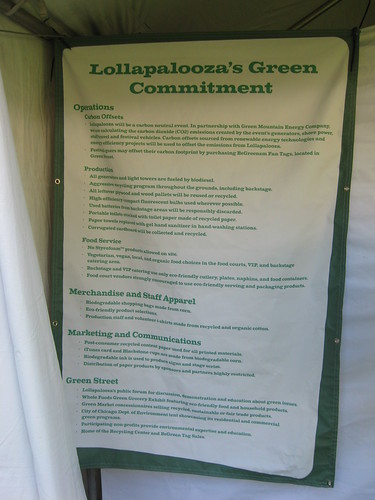
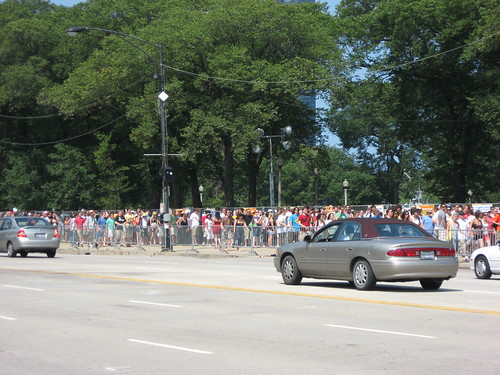
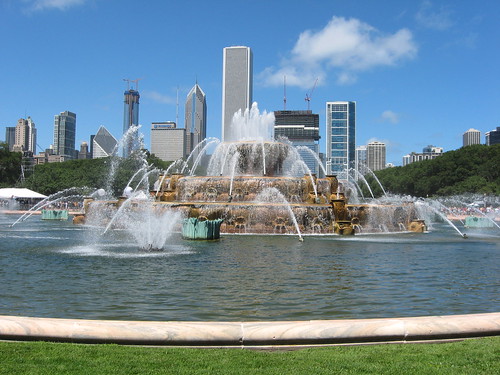
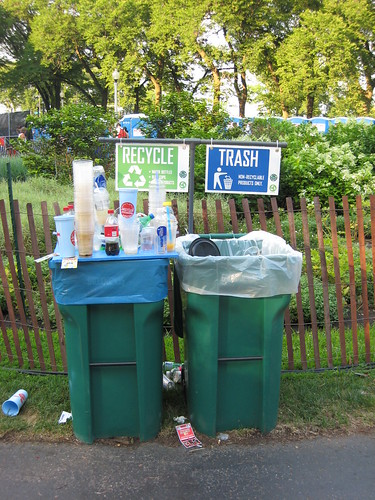
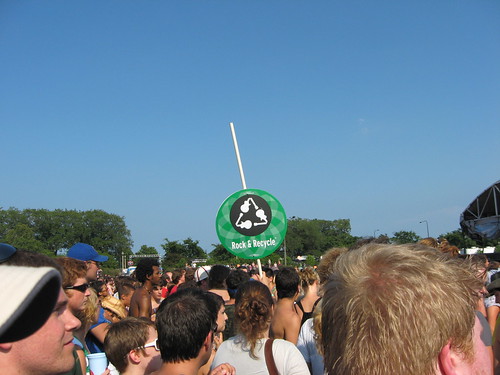
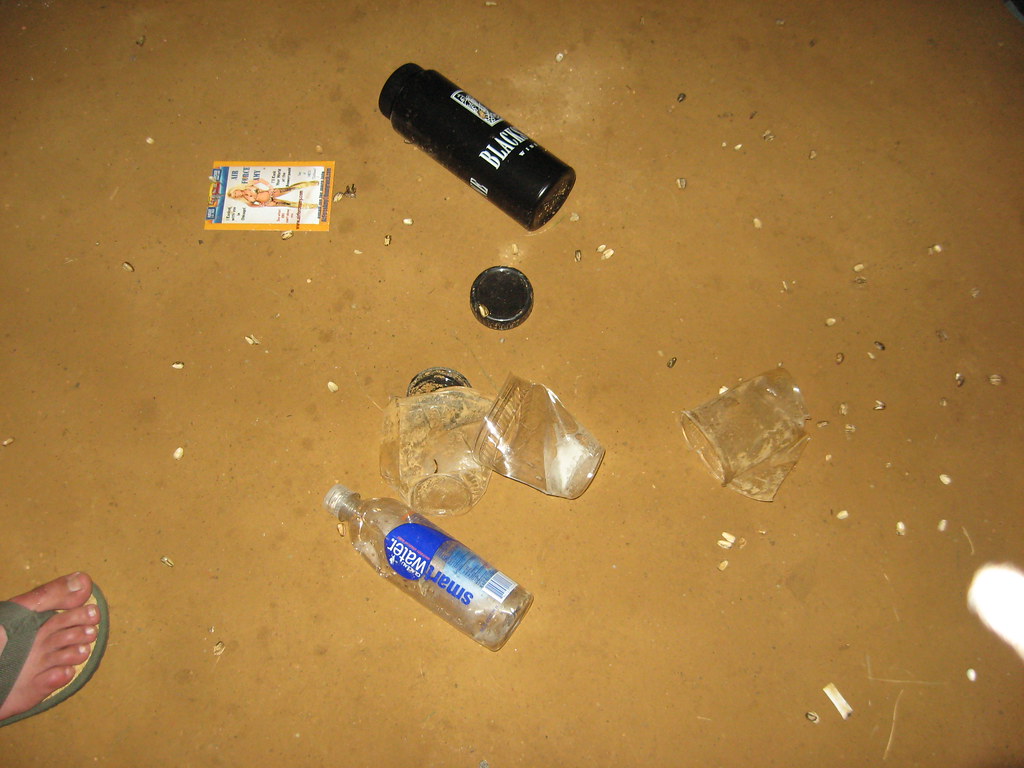
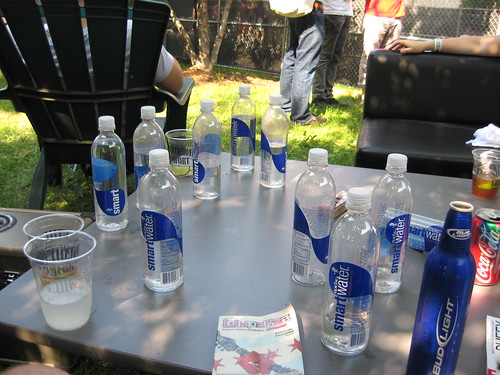

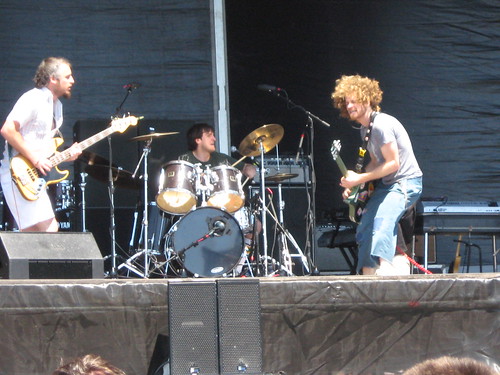
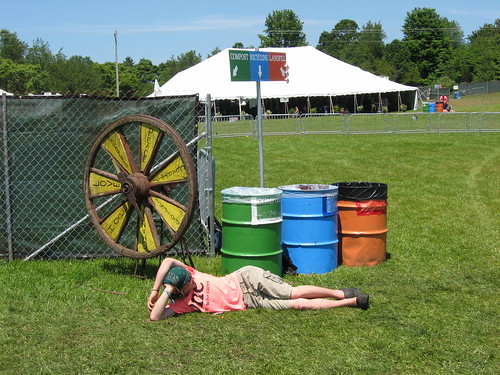
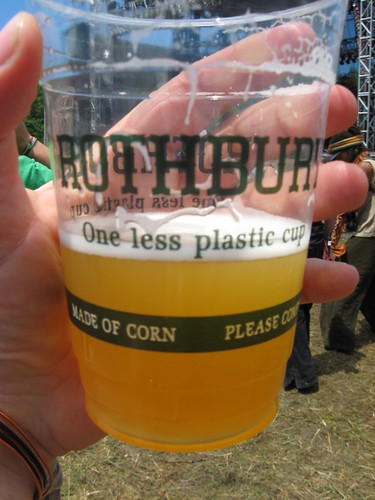
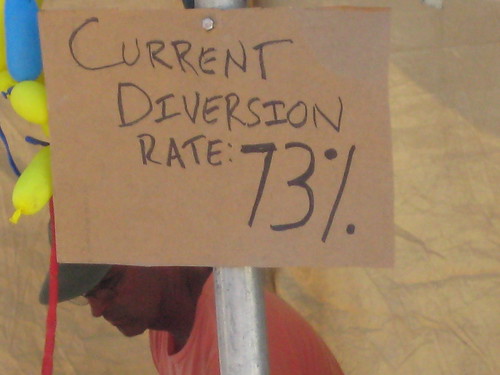

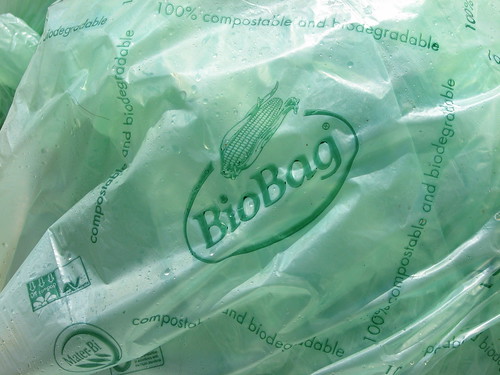
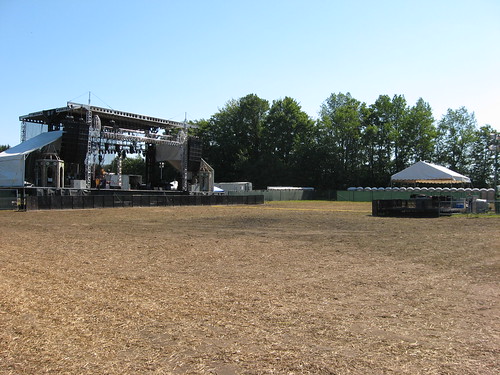
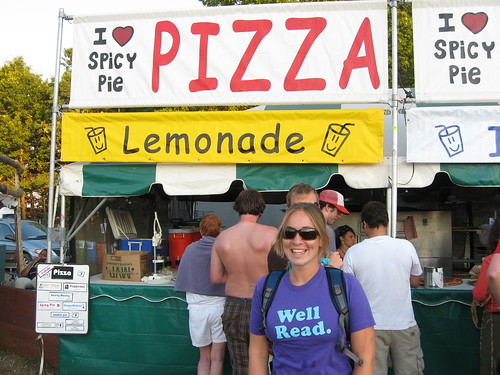
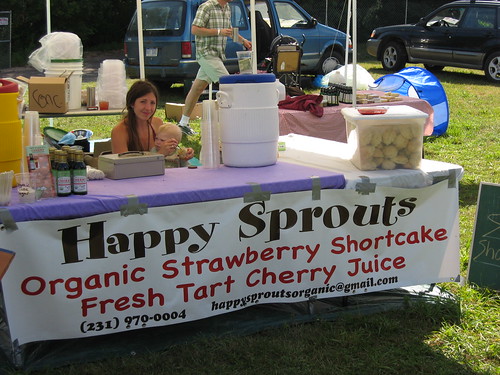
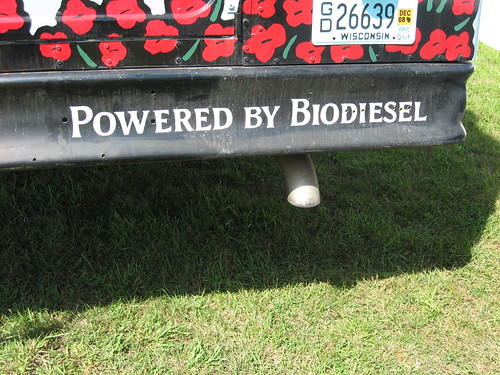
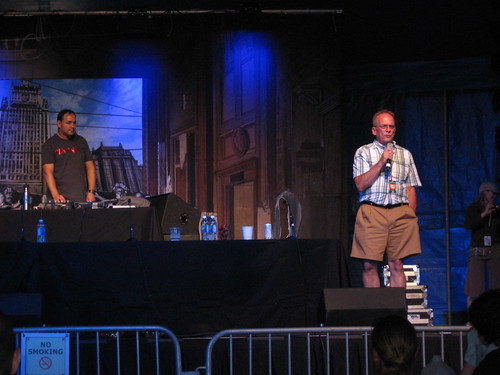
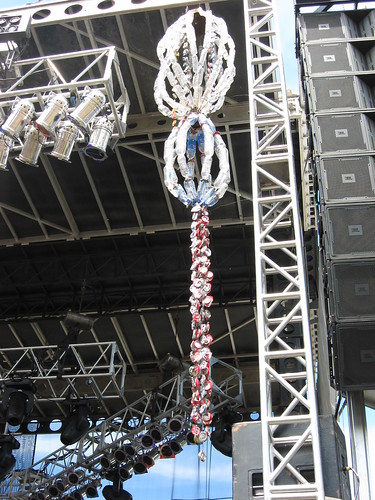

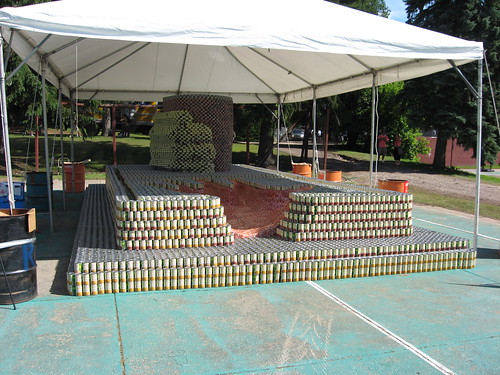
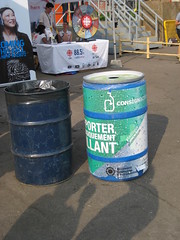
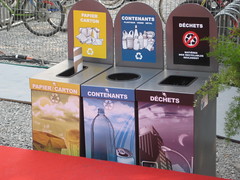
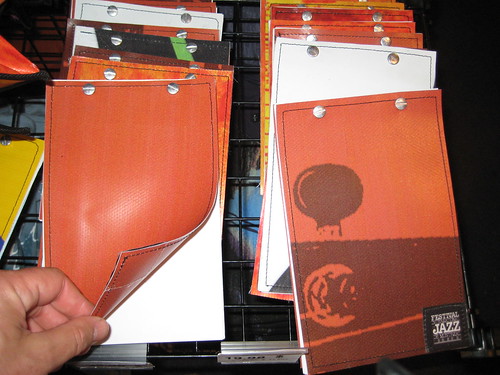
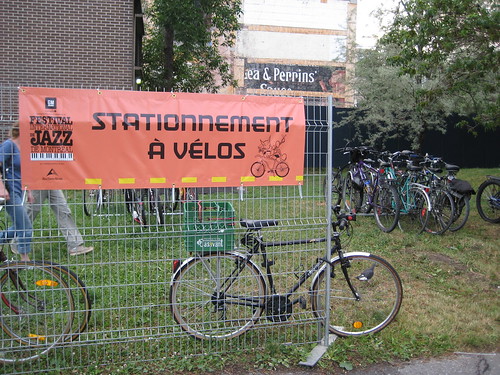
 drum roll, please.......SXSJ at the San Jose Hotel on South Congress! These dudes did it right!
 Since we all got robbed of one hour of blessed sleep last night (can anyone tell me why we still practice Daylight Savings?), I wanted to tell you how much better my sleep has recently become. No, I'm not going to go on and on about my Now-and-Zen alarm clock again.....


